
AI & Automation
What Is RPA, and Where It Fits in Saudi Operations
RPA is software that follows fixed rules to do repetitive work in digital systems. A five-question test shows where it fits, and where it does not.

RPA is software that follows fixed rules to do repetitive work in digital systems. A five-question test shows where it fits, and where it does not.

What ITSM covers, how it relates to ITIL and ISO/IEC 20000-1, and the order in which an IT team should build it.

A buyer’s checklist for Saudi employers choosing visa management software, from expiry alerts and approvals to costs, integrations and PDPL.

Visa cost tracking for Saudi employers: work permit fees, the monthly levy, platform fees and fines, recorded as one cost per expatriate.
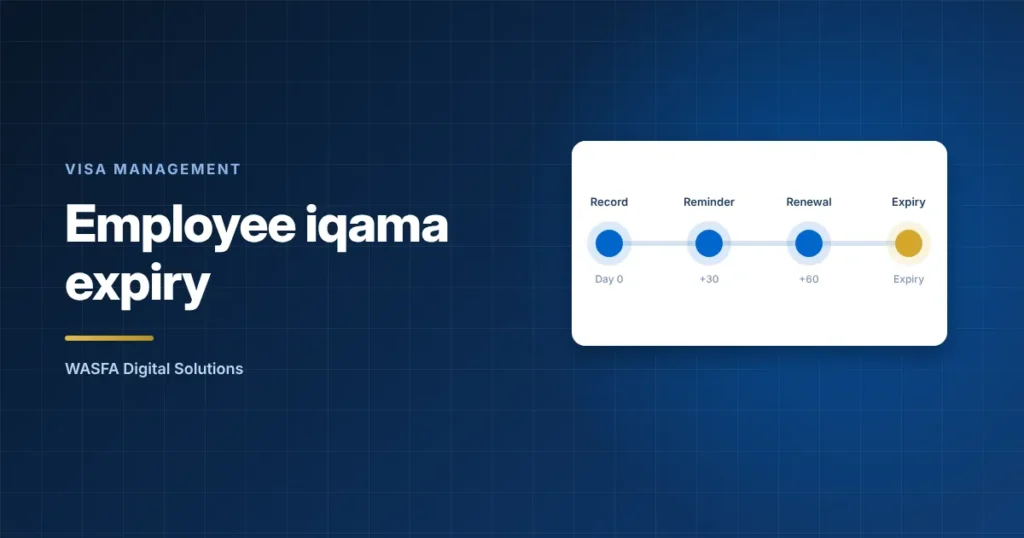
One central record, a named owner per renewal and staged alerts: how Saudi employers can track iqama expiry without relying on spreadsheets.

How the end-of-service award is calculated under Saudi Labour Law Articles 84 and 85, with the resignation scale and a worked example.

RPO and RTO defined from NIST SP 800-34, with a worked example and a table matching recovery targets to recovery approaches.

What Qiwa, Muqeem and Absher Business each do for Saudi employers, from work permits and contracts to iqama renewal and exit visas.

A PMO setup checklist in the right order: mandate, governance, templates, reporting, people, vendors and a 90-day plan, each with a done-when test.

What the Saudi PDPL asks of an AI project at each stage, from lawful basis and impact assessment to automated decisions and breach reporting.

How the Nitaqat rating works, what changed on 15 April 2026 and the employee data an HR system must hold to report Saudisation.
What the NCA cloud cybersecurity controls (CCC-2:2024) cover, who they apply to, and how they differ from CST provider registration.

A ten-section IT service desk SLA template with fields to complete, example targets (not benchmarks), measurement rules and monthly reporting.
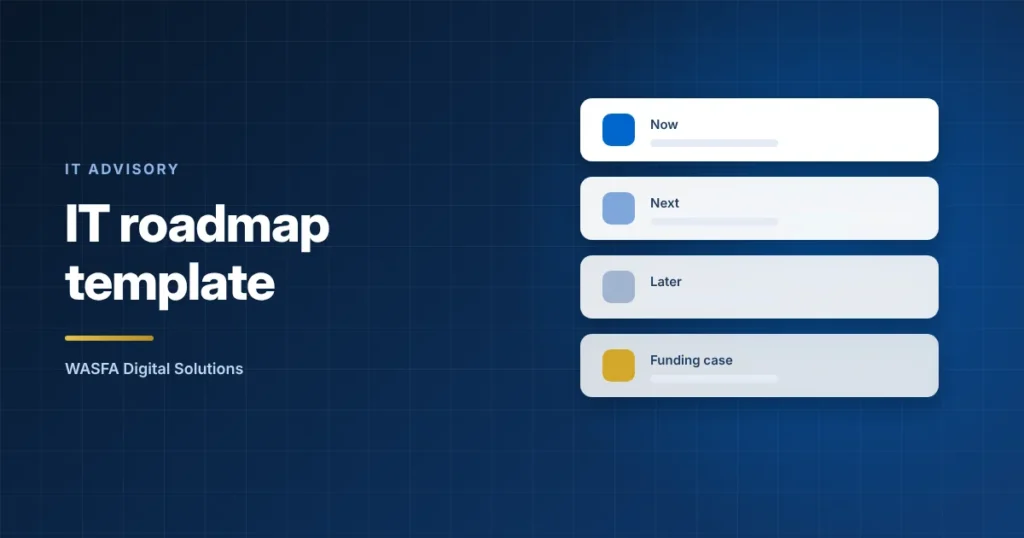
A one-page IT roadmap template for budget meetings: outcomes, cost ranges, and floor, base and stretch funding cases.

IT outsourcing vs staff augmentation: who is accountable, who manages, how cost behaves and where risk sits, plus Saudi checks before signing.

Eleven clause groups to check in an IT outsourcing contract, from scope and SLAs to data, exit and Saudi law, with caveats for legal review.

Where to look first for IT savings: unused licences, idle cloud resources and renewals, plus what not to cut and how to count a saving.

A six-phase IT asset management checklist for organisations that inherit unmanaged assets, from discovery to disposal, with Saudi NCA context.
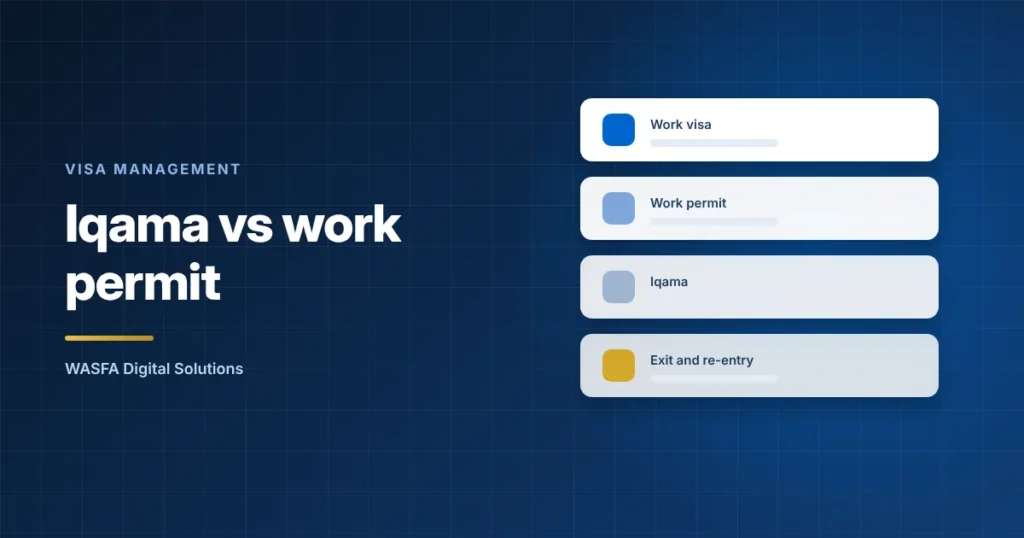
Iqama vs work permit vs work visa: what each is, who issues it in Saudi Arabia, and the platform where employers act.

A phased iqama renewal checklist for Saudi employers: clear the blockers, submit and pay, then record the result.

How incident, problem and change management differ in ITIL 4, with a worked example and the service request line.
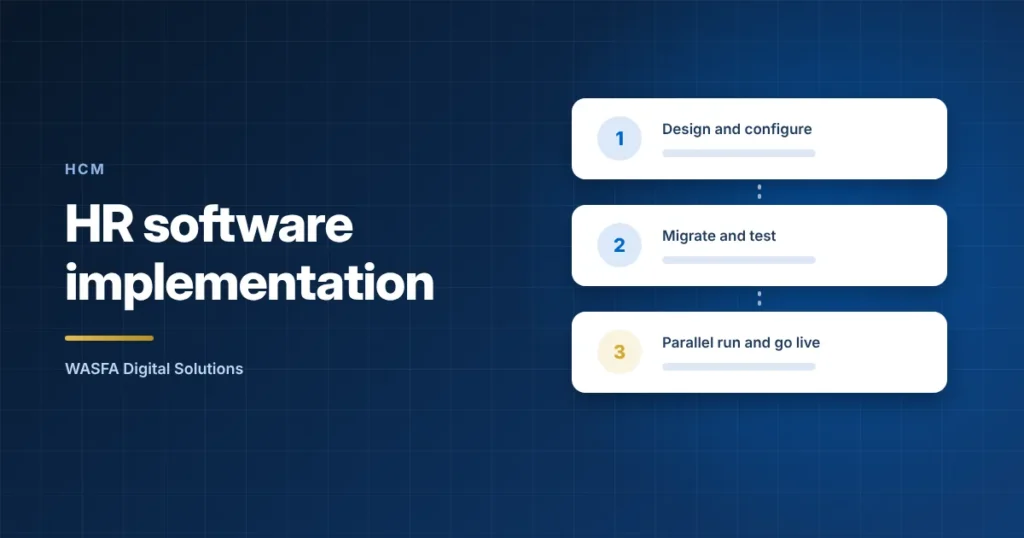
Six gates for implementing HR software in Saudi Arabia, from data migration and Saudi test scenarios to the parallel payroll run and go-live.

What to move, which employee records to check, how to reconcile each trial load and how the PDPL applies to an HR data migration in Saudi Arabia.
ITSM tool selection: define processes first, rank requirements, score tools on your own tickets, then test Arabic, hosting and exit terms.

Payroll in Saudi Arabia in order: bank payment, Mudad wage file, GOSI contributions and end-of-service settlement, with sources.

A six-phase disaster recovery plan checklist based on NIST SP 800-34, covering impact analysis, RTO and RPO, backups, runbooks and testing.

Data residency Saudi Arabia explained: how it differs from localisation and sovereignty, and which rules depend on your data and sector.

Five questions that decide between cloud HR software and on-premise for a Saudi organisation, with a comparison table and PDPL and NCA points.
Why Arabic document OCR is hard, which cases to test (digits, dates, mixed text, diacritics) and how to evaluate software on your own files.

A practical method for choosing your first AI or automation project: list candidates, score them, test the data, then scope a pilot.

Saudi Arabia has no AI-specific statute. What SDAIA guidance, the PDPL and NCA controls mean for an AI project, and seven questions to settle first.
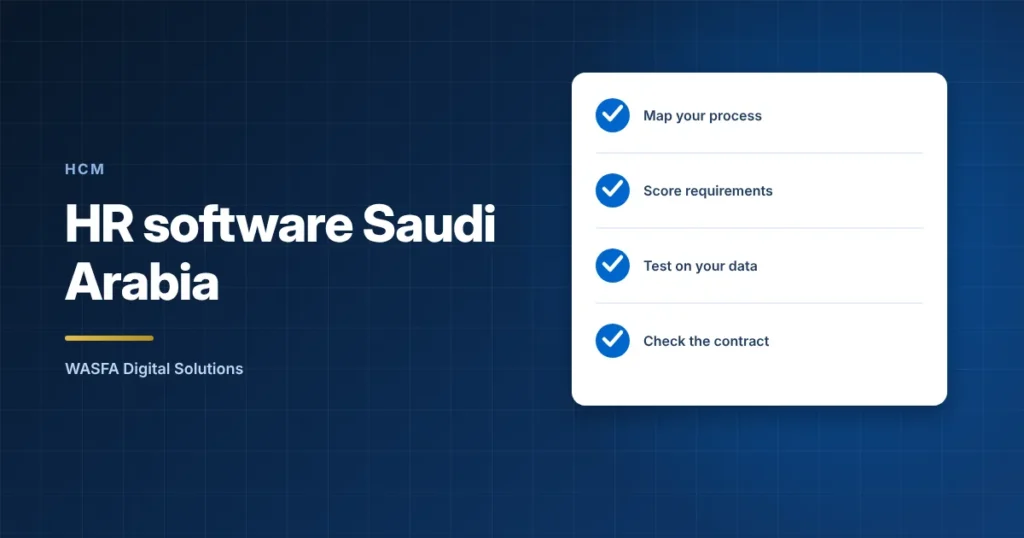
A neutral HR software Saudi Arabia buying guide: define needs, test the Saudi rules, run scripted demos and compare full cost.